
The Steaming Magic of Midwinter Revelry
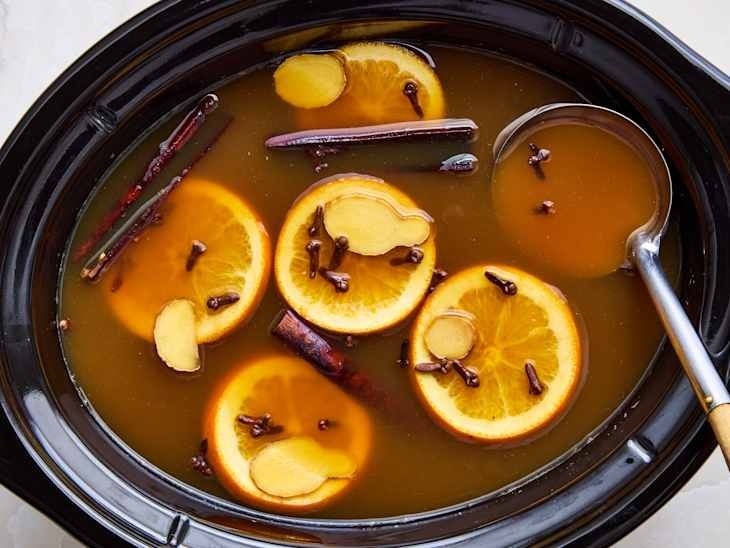
On the darkest winter evenings, few aromas feel more welcoming than apples warming in a pot with cinnamon, cloves, ginger, and bright curls of citrus peel. Steam gathers above the rim, carrying the scent through the house, while roasted fruit softens into the drink and every ladleful seems to promise warmth. This is the sensory charm of wassail, a festive drink that belongs as much to the hearth and orchard as it does to the holiday table.
Yet wassail is far more than a seasonal beverage. It is a living midwinter ritual shaped by hopes for health, a successful harvest, generous hospitality, and the continued fruitfulness of the land. Its story travels from Old English toasts and Twelfth Night gatherings through medieval kitchens where wine, ale, honey, and imported spices were treated as both nourishment and restorative medicine. Today, a bowl of apple wassail can still serve as a fragrant centerpiece, linking modern families with centuries of winter celebration.
Echoes of Waes Hael and the Ancient Orchard Blessing
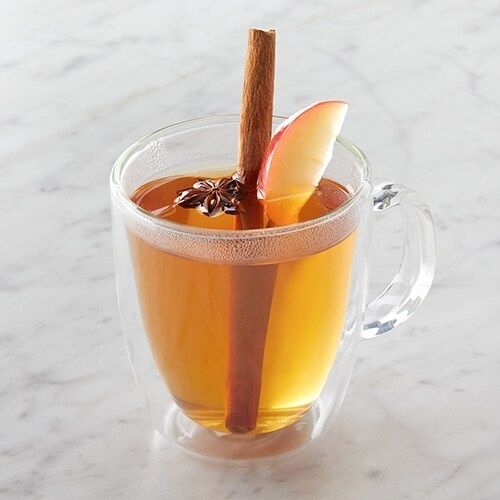
The word wassail is commonly connected with the Old English toast “Waes Hael,” meaning “be whole,” “be hale,” or “good health.” The traditional response, “Drink Hael,” turned the greeting into a shared exchange rather than a solitary wish. A cup passed from hand to hand therefore carried more than spiced drink. It offered a public blessing, affirming that the people gathered around it belonged to the same household, village, or festive community.
By Twelfth Night, wassailing often moved outdoors into apple orchards. Participants sang to the oldest or most productive trees, poured cider around their roots, placed cider-soaked toast in branches, and made a lively racket with pots, pans, bells, or shouts. The noise was believed to drive away harmful spirits, while the songs and offerings encouraged the trees to bear a plentiful crop. Practices varied from one region to another, so no single ceremony can represent every historical wassail, but the central idea remained clear: human prosperity depended on the health of the orchard.
House-visiting wassails formed another branch of the custom. Groups carried a decorated bowl, sang at doors, offered good wishes, and received food or drink in return. The shared vessel became an emblem of hospitality, especially in rural communities where winter could be isolating and agricultural uncertainty was constant. A detailed account of these customs appears in The History of Wassailing, which describes how song, drink, folklore, and hopes for a successful apple harvest came together.
- The greeting: “Waes Hael” expressed a wish for health and well-being.
- The response: “Drink Hael” invited the recipient to share in the blessing.
- The orchard rite: Songs, toast, drink, and noise were directed toward the trees and the coming harvest.
- The communal bowl: A shared drink transformed hospitality into a visible act of belonging.
Although modern celebrations often treat wassailing as charming folklore, the ritual once addressed very practical concerns. Apples could provide food, cider, income, and social stability, so a productive orchard mattered to an entire household or village. The ceremony offered people a sense of agency during the uncertain agricultural year, allowing hope, gratitude, and protection to be expressed through music and gathering. The history of apple wassail is explored further in this apple wassail tradition guide.
From Medieval Hippocras to the Holiday Hearth
Wassail belongs to a broader medieval tradition of warming and flavoring drinks with spices. One important relative was hippocras, a spiced wine made by infusing wine with ingredients such as cinnamon, cloves, ginger, nutmeg, pepper, and honey or sugar. Premodern wine varied considerably in quality and could be sharp, unstable, or difficult to preserve. Spices and sweeteners improved its flavor, while medieval cooks and physicians also associated many of these ingredients with warmth, digestion, and general well-being.
The name hippocras is associated with Hippocrates, and historical recipes were commonly strained through a cloth bag after infusion. The result was not necessarily a single standardized beverage. Some versions used red wine, others white wine or sack, and recipes could include citrus, apples, dried fruit, or even clarifying methods involving milk. Over time, heavy, strongly spiced medicinal-style drinks gave way to sweeter and more approachable refreshments designed for sharing. Orchard wassail added a rustic identity, emphasizing cider or ale, roasted apples, toast, and a gathering that celebrated trees rather than merely warming the drinker.
| Feature | Hippocras | Orchard Cider Wassail |
|---|---|---|
| Typical foundation | Wine, sometimes sack or another fortified style | Cider, ale, or a blend of apple-based drinks |
| Main purpose | Flavoring, preservation, hospitality, and perceived restoration | Seasonal celebration, orchard blessing, and communal refreshment |
| Common additions | Cinnamon, cloves, ginger, nutmeg, pepper, honey, and citrus | Roasted apples, cinnamon, cloves, citrus peel, sugar, honey, and sometimes toast |
| Serving character | Strained, concentrated, and often richly spiced | Warm, generous, fruit-forward, and suited to a shared bowl |
The Guild of Spices and Winter Kitchen Chemistry
Nutmeg, cloves, and cinnamon were not ordinary pantry seasonings in medieval Europe. They arrived through long and expensive trading networks linking Asian growing regions with merchants, ports, and European markets. Their cost made them visible markers of wealth and ceremony. A lavishly spiced drink announced that a household could command rare ingredients, while the fragrance itself helped turn an ordinary winter gathering into an occasion.
These spices also worked through kitchen chemistry. Aromatic compounds are released more effectively when spices are exposed to liquid and gentle heat, but excessive heat can flatten delicate aromas, create bitterness, or drive away volatile oils. That is why a good wassail should be warmed slowly and kept below a rolling boil. Whole spices are particularly useful because they infuse gradually and can be removed before their harsher notes dominate.
Balanced wassail depends on contrast. Apple supplies fruitiness and gentle acidity, citrus peel adds lift, cinnamon contributes sweet woody warmth, cloves provide a powerful medicinal edge, and ginger gives the finish a bright, peppery glow. Nutmeg can add depth, but only in a restrained amount. Star anise, allspice, cardamom, or a small piece of vanilla may suit a modern interpretation, although too many competing aromas can make the drink taste muddy rather than festive.
- Cinnamon: Builds the familiar sweet, woody foundation.
- Clove: Adds intensity and a cooling, aromatic finish, so it should be used sparingly.
- Ginger: Brings freshness and gentle heat, especially helpful in a cider-based drink.
- Citrus peel: Brightens the fruit and keeps a sweet drink from feeling heavy.
- Nutmeg: Supplies earthy depth when freshly grated in a small quantity.
- Roasted apple: Adds caramelized sweetness and connects the beverage to its orchard heritage.
For a polished result, place whole spices in a muslin bag or tea infuser. This allows the flavors to develop while keeping the finished drink clear and preventing guests from biting into a clove. Add citrus peel in broad strips with as little white pith as possible, since pith can introduce bitterness. The goal is not to make the drink aggressively hot or medicinal. It is to create a layered aroma that unfolds gently from the first steam to the final sip.
Reviving the Apple Wassail Tradition at Home
The best foundation depends on the gathering. Unfiltered rustic cider gives the most direct orchard character, while a malty ale creates a heartier drink with historical resonance. Spiced red wine produces something closer to hippocras, and a nonalcoholic apple juice or cloudy apple drink makes the tradition accessible to children and guests avoiding alcohol. A mixed base can also work, provided the flavors remain balanced and the alcohol content is considered carefully before serving.
A modern family gathering can recreate the sensory spirit of Apple Wassail with a steaming slow cooker and freshly roasted winter fruit. The slow cooker is especially practical for hosts because it keeps the drink warm without requiring constant attention. It also fills the kitchen with fragrance well before guests arrive, creating a festive welcome that feels almost like an edible decoration.
- Prepare the fruit. Core several firm apples, place them in a baking dish, and roast until tender. A little honey or brown sugar can encourage caramelization, while a splash of cider keeps the fruit moist.
- Build the spice bundle. Combine cinnamon sticks, a few cloves, slices of fresh ginger, and strips of orange or lemon peel. Keep the quantities moderate, since spices will become stronger during extended warming.
- Warm the base. Pour cider, ale, wine, or a nonalcoholic apple drink into a heavy pot or slow cooker. Add the spice bundle and heat gently. Do not boil, particularly when using wine or when aiming to preserve delicate aromas.
- Add the roasted apples. Stir in the softened fruit once the liquid is warm. Some apples can be left whole for presentation, while others may be mashed slightly to give the drink a fuller texture.
- Adjust carefully. Taste after the spices have infused. Add honey, sugar, or a little citrus juice only as needed. The finished drink should taste rounded rather than syrupy.
- Serve with ceremony. Ladle the wassail into heatproof cups or a communal bowl. Invite guests to offer a good-health toast, and, if appropriate, share a short explanation of the orchard blessing behind the drink.
Traditional versions sometimes included cider-soaked toast or an apple topping known as “lamb”s wool,” a name associated with the frothy appearance of softened apples. For a family-friendly table, the symbolic element can be adapted with roasted apple slices, cinnamon sticks, and small pieces of toasted bread served separately. This preserves the visual connection to older customs without making the drink difficult to serve.
The ritual can also be extended beyond the beverage. Guests might write a wish for the coming year, sing a seasonal song, or place a small bowl of apples at the center of the table as a reminder of the orchard. If a garden contains a fruit tree, a quiet outdoor toast can echo the older practice without claiming to reproduce every historical detail. What matters most is the shared pause, the expression of gratitude, and the invitation to hope for abundance together.
Keep the Hearth Bright and Drink in Good Health
Wassail brings several strands of winter history into one steaming bowl. Its language preserves an Old English wish for health, its orchard ceremonies reflect dependence on land and harvests, and its spices reveal the reach of medieval trade. Its preparation also demonstrates simple kitchen chemistry: gentle heat draws fragrance from botanicals, roasted fruit deepens sweetness, and careful balancing turns strong ingredients into a welcoming drink.
For the next midwinter gathering, let the wassail serve as more than refreshment. Warm it slowly, invite guests to share a good-health toast, and offer a few words about the trees, traders, cooks, and communities that shaped the tradition. Whether made with cider, ale, wine, or juice, a fragrant bowl of wassail can make the holiday table feel connected to something enduring: the hope that the coming season will bring health, fruitful work, generous company, and a bright light through winter.