

The Quiet Magic Behind December Mailbags
Every holiday season, mailbags fill with a distinctive kind of correspondence: envelopes covered in crayon, careful block letters, glittering stickers, drawings of reindeer, and hopeful addresses directed to the North Pole. Some letters ask for presents, while others describe family traditions, pets, snow, school projects, or a wish for someone else. Before these messages reach a conventional delivery address, postal workers must turn imagination into a workable routing system.
What once looked like a dead-letter-office dilemma has become a celebrated civic tradition. Postal administrations in several countries have created dedicated addresses, seasonal teams, special cancellation marks, and reply systems that give children a genuine reason to write. The result is an international community of clerks, volunteers, educators, and community participants who protect a small but meaningful part of childhood wonder while encouraging handwriting, reading, patience, and thoughtful communication.
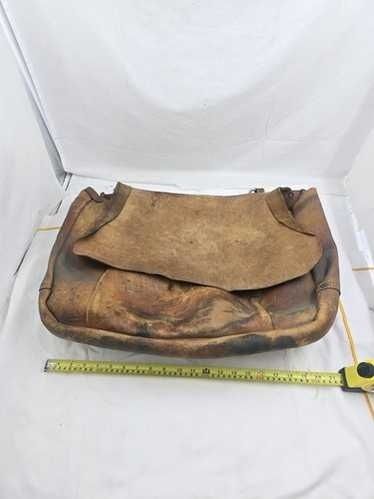
From Dead Letters to Civic Mission
Traditional postal regulations treated undeliverable mail as a practical problem. A letter addressed to a mythical figure at an impossible destination could not be delivered through ordinary channels, and historically such correspondence risked being destroyed with other undeliverable items. As children began sending more letters to Santa Claus during the late nineteenth and twentieth centuries, however, individual postal employees sometimes chose a different response. Clerks quietly opened selected letters, answered them, or arranged for a colleague to write back.
These informal gestures gradually revealed that the mail could serve a social purpose beyond transportation. A reply from Santa offered a child recognition from an otherwise unreachable figure, while the act of composing the letter encouraged children to organize thoughts and address an envelope. In France, growing volumes of Santa mail in the late 1950s prompted officials to consider a formal solution. La Poste launched an operation in 1962, establishing what became the Santa Claus Secretariat, with Françoise Dolto serving as its first secretary.
The French model illustrates how a grassroots kindness can become a national institution. Its first reply card was produced in 2,500 copies, and the service later moved from Paris’s undeliverable-mail department to Libourne, recruited dedicated secretaries, and adopted the official name “Secrétariat du Père Noël” in 1970. Research published through the French postal history archive describes both the emotional generosity and the administrative questions surrounding the program.
- Postal workers transformed undeliverable letters into an opportunity for personal response.
- National programs created consistent addresses, reply cards, and seasonal deadlines.
- Schools increasingly used Santa correspondence to support writing and classroom activities.
- Modern services now combine physical mail with websites, email, and digital educational resources.
Canada and the Secret Code of H0H 0H0
Canada Post has perhaps the most memorable postal code in the holiday world: H0H 0H0. Its zeroes and letters immediately suggest a familiar laugh, making the code both functional and playful. Children in Canada can address letters to Santa Claus at the North Pole, H0H 0H0, place them in a Canada Post mailbox or visit a post office, and include a return address so the postal elves know where to send the reply.
The program operates on an impressive scale. Canada Post has reported receiving more than one million letters in typical annual seasons, with correspondence arriving in more than thirty languages and even in Braille. The service welcomes letters from around the world, offering guidance so international writers can receive replies in the same language. Families should place letters from household members together in one envelope when possible, which helps simplify sorting without reducing the personal character of each message.
Domestic letters do not require postage, although a return address remains essential. The people handling this stream of correspondence are not merely anonymous sorting staff. Volunteer postal elves read, organize, and prepare personalized replies during one of the busiest periods in the postal calendar. According to an official Canadian government announcement, postal employees volunteer hundreds of thousands of hours each season to keep the Santa post office ready for holiday letters.
- Use the address Santa Claus, North Pole, H0H 0H0, Canada.
- Include a clear return address on the envelope.
- Domestic Canadian letters can be sent without a stamp.
- International writers should check Canada Post guidance for postage and language arrangements.
- Writing early gives postal elves more time to prepare and return a reply.
USPS Operation Santa and the Power of Community Adoption
USPS Operation Santa follows a different philosophy. Rather than promising that every letter will receive a direct reply from Santa, the program invites members of the public to adopt selected letters and fulfill wishes. It connects children and families who write to Santa with individuals, groups, and organizations willing to purchase and ship requested items. That participatory structure makes the program a striking example of community generosity organized through a national postal network.
Letters must be addressed to 123 Elf Road, North Pole, 88888, and they need correct postage and a clear return address. USPS processes letters to remove personally identifiable information before selected correspondence is published online. Publication, adoption, and fulfillment are not guaranteed, so families should understand that the program offers an opportunity rather than an automatic gift service.
- Write a letter to Santa and mail it to 123 Elf Road, North Pole, 88888.
- Meet the stated postmark deadline, which is December 5 for the current program guidance.
- USPS begins posting new, privacy-screened letters online from November 16 through December 12.
- Registered adopters can choose letters through December 12, when the website closes at 8 p.m. Eastern Time.
- Adopters purchase suitable items, pay shipping, and follow the package limits of less than 70 pounds and no more than 108 inches in combined length and girth.
The program began more than a century ago, when postal employees set aside letters addressed to Santa. In 1912, Postmaster General Frank Hitchcock authorized local postmasters to open and answer them. During the 1940s, charitable organizations, companies, and individuals joined the effort. The online experience, launched in New York in 2017, modernized that tradition while preserving the essential act of reading another person’s holiday hopes. USPS emphasizes that Operation Santa is not a 501(c)(3) charity, does not accept monetary donations, and does not make adopters’ purchases tax-deductible.
The Arctic Hub at Santa Claus Village in Rovaniemi
At Santa Claus Village in Rovaniemi, Finland, correspondence becomes part of a year-round Arctic travel experience. Santa Claus’ Main Post Office is located at the Arctic Circle and operates as a full-service facility for greetings, parcels, and other mail. Visitors can choose cards and stamps, write messages in a festive setting, and hand their envelopes to postal elves, who apply the distinctive Arctic Circle postmark before sending them onward.
The post office receives around half a million letters annually from children and adults worldwide, with mail arriving from more than two hundred countries according to the destination’s published information. A special red post box provides an additional seasonal service: letters placed inside are held and sent at Christmas. Families can also order a Santa Claus Letter, which is sent before Christmas. The facility remains open throughout the year, although opening hours vary by season, so visitors should check current information before traveling.
For travelers and remote senders, the postmark is part of the appeal. It records that a message passed through a real postal branch at the Arctic Circle, turning an ordinary greeting into a keepsake. Details about the location and its long-running attraction status are also documented in the reference history of Santa Claus’ Main Post Office. The experience combines tourism, postal craft, and the simple pleasure of sending physical mail.
How Global Postal Systems Deliver Holiday Wishes
Although every program has its own personality, the practical principles are similar. A recognizable routing code directs letters into a special seasonal stream, a return address makes a reply possible, and early mailing allows workers to manage the surge before Christmas Eve. Families planning international correspondence should allow extra time for border processing and should verify current postage, deadlines, language options, and reply policies directly with the relevant postal organization.
| Program | Special address or code | Postage and timing guidance |
|---|---|---|
| Canada Post | Santa Claus, North Pole, H0H 0H0, Canada | Domestic letters do not require postage; include a return address and send early. |
| La Poste France | “Père Noël” with the child’s details on the back | Children in France may send letters until December 20 for a reply before Christmas; digital options are also available. |
| USPS Operation Santa | 123 Elf Road, North Pole, 88888 | Correct postage and return address required; current guidance lists December 5 as the postmark deadline. |
| Finland’s Posti service | Santa Claus’ Main Post Office, Santa Claus Village, Rovaniemi | Visitors can send mail year-round and request the Arctic Circle postmark; check opening hours before visiting. |
La Poste’s service demonstrates the educational reach of Santa mail. More than one million children participate annually, and replies can include a letter from Santa and a postcard to color. Schools may request a collective format, while the service also supports replies in English. The program’s partnership with 1 Lettre 1 Sourire extends the spirit beyond Santa by encouraging children to send drawings and messages to isolated older people.
For the best chance of a timely response, write in early December or sooner, use the exact address required by the chosen program, and make every line of the return address easy to read. Do not place gifts, cash, or unnecessary personal information inside a letter unless the postal program specifically permits it. International senders should confirm whether postage is required and remember that a decorative envelope is charming only when the address and postage remain clear.
Preserving Wonder Through the Simplicity of the Written Word
A child’s first handwritten letter can be both a creative exercise and an emotional milestone. It asks the writer to decide what matters, shape a message for a particular reader, and wait for a response. The resulting reply may be modest, but its significance is often large: a postal worker has recognized the child’s effort, and an impersonal delivery network has briefly become a human exchange.
Global Santa operations preserve that exchange through civic imagination. Clerks sort unusual addresses, volunteers donate seasonal hours, teachers turn correspondence into lessons, and families make time for a tradition that cannot be completed with a single tap. To participate, choose the program that fits the family’s location, prepare the letter early, check the official requirements, and thank the postal workers who keep the seasonal stream moving. In an increasingly automated world, a carefully addressed envelope still has the power to carry hope a remarkable distance.